Every year, thousands of students choose their next course or stream for one simple reason: “Everyone else is doing it.”
Science because toppers take science. Commerce because friends are going for CA. Engineering because it feels “safe.”
But in 2026, following the crowd is no longer a smart strategy—it is a risky one.
Today’s world rewards fit, clarity, and adaptability, not blind competition. Choosing the right course is not about selecting the “best” option—it is about choosing the right option for you.
Why Course Confusion Is So Common
Students today are overwhelmed with:
- Too many career options
- Conflicting advice from parents, relatives, teachers, and social media
- Fear of making the “wrong” decision
- Pressure to perform, even without clarity
Parents, on the other hand, worry about:
- Job security
- Return on education investment
- Social validation
- Their child’s long-term stability
This emotional mix often leads to rushed or borrowed decisions.
Marks Are Important—but They Are Not Enough
Marks show academic ability, but they do not reveal:
- What excites a student
- How a student learns best
- Which environments they thrive in
- What kind of work they can sustain for years
A student scoring high in math may still dislike engineering.
A student with average marks may excel in design, research, entrepreneurship, or creative problem-solving.
The real question is not “What can I get?”
It is “What can I grow in?”
The Right Way to Choose a Course in 2026
Instead of asking “Which course is trending?”, students should ask:
1. What Am I Naturally Curious About?
Curiosity sustains effort.
If a student enjoys exploring topics even outside exams—technology, business ideas, psychology, sustainability, content creation—that interest matters.
2. What Skills Do I Enjoy Using?
Some students enjoy:
- Analyzing and solving problems
- Creating and designing
- Communicating and presenting
- Organizing and leading
Courses should align with how a student prefers to work, not just what they score in.
3. What Does the Future of This Field Look Like?
Parents often ask: “Is this field safe?”
The better question is: “Is this field evolving?”
Fields that adapt, integrate technology, and allow skill expansion tend to stay relevant longer than rigid career paths.
4. What Exposure Have I Had?
Many wrong choices happen simply because students decide without exposure.
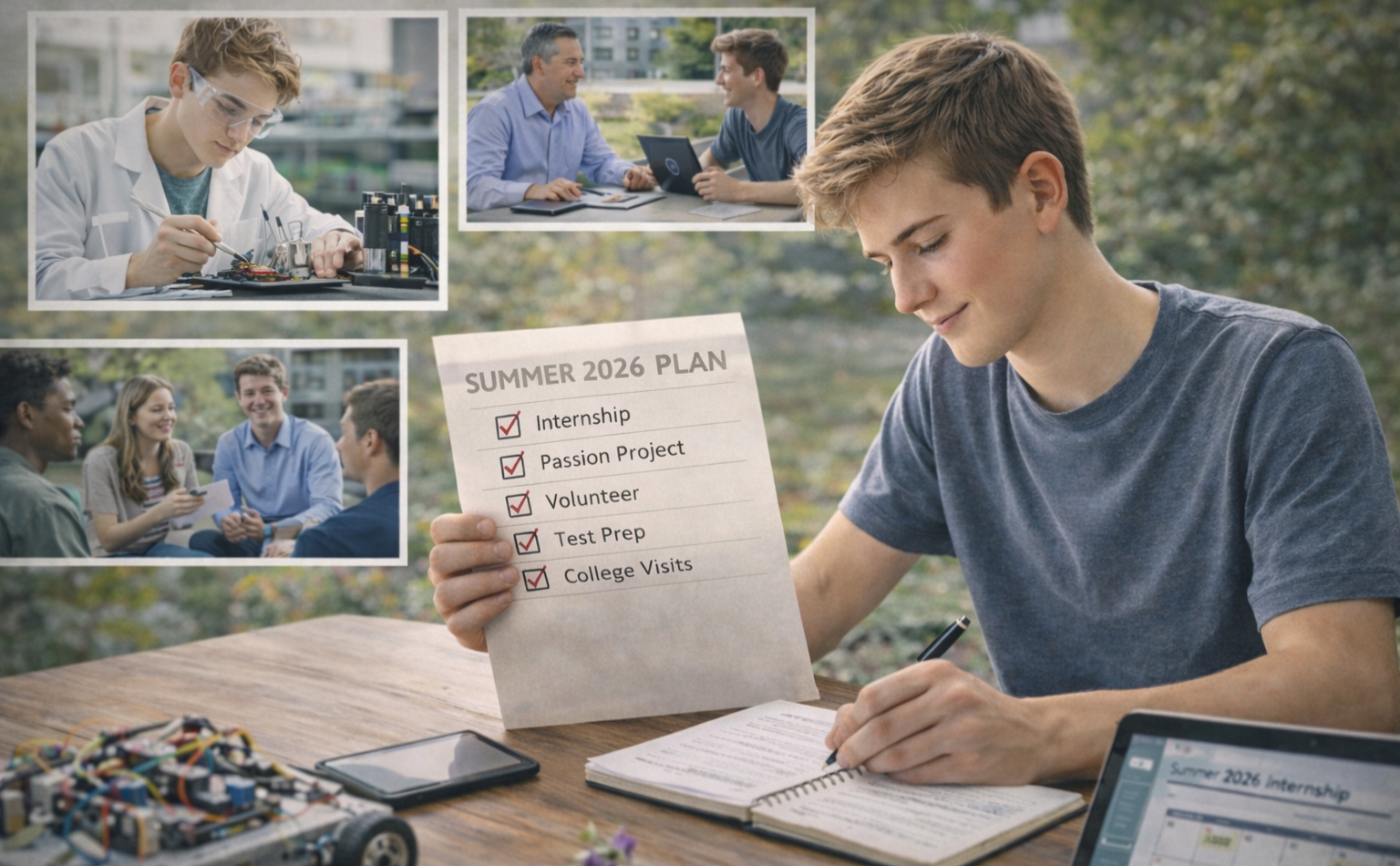
Internships, workshops, passion projects, or short-term experiences provide clarity that marks never can.
Why Following the Crowd Backfires
When students choose a course only because others are choosing it:
- Motivation drops quickly
- Burnout increases
- Confidence suffers
- Switching later becomes emotionally and financially expensive
Clarity delayed often becomes regret later.
How GrowME Helps Students Decide Better
At GrowME, we don’t believe in “one-size-fits-all” counseling.
We help students:
- Understand their interests and strengths
- Explore options with structured guidance
- Connect choices with long-term growth
- Make informed decisions—not pressured ones
The goal is not just admission—it is alignment.
Choosing the right course is not about playing safe.
It is about playing smart.